Essential Winter Maintenance Tips to Keep Your Conroe Home Comfortable All Season Long
Published November 8, 2025 — by AMW Cooling & Heating LLC
Winter has arrived in Conroe, and your heating system is working hard to keep your family comfortable through unpredictable North Houston weather. While fall preparation gets your HVAC system ready for the cold season, ongoing winter maintenance ensures it continues running efficiently and reliably from December through March. At AMW Cooling & Heating LLC, we've helped countless Montgomery County families maintain optimal comfort and avoid mid-winter breakdowns through simple, proactive care.
Many Conroe homeowners make the mistake of thinking winter HVAC maintenance is a one-and-done fall task. The reality is that Texas winters present unique ongoing challenges—dramatic temperature swings, high humidity even in cold months, and inconsistent heating demands that stress systems in different ways than steady northern climates. Regular attention throughout the season prevents small issues from becoming expensive emergency repairs when you need heat most.
This guide covers essential maintenance tasks you should perform during winter months, warning signs that require professional attention, and practical strategies to maximize comfort while minimizing energy costs. Whether you're in The Woodlands, Spring, Willis, or anywhere in Montgomery County, these tips will help you get through winter without the stress and expense of heating system failures.
Monthly Winter Maintenance Checklist for Conroe Homeowners
Consistency is key when it comes to winter HVAC maintenance. Following this monthly checklist keeps your system running smoothly and catches potential problems early.
Check and Replace Air Filters Every 30 Days
Air filters deserve monthly attention during winter, not just annual replacement. When your heating system runs frequently during cold snaps, filters clog faster than you might expect. Conroe's dusty conditions, combined with winter allergens like mold spores and pollen from evergreen trees, accelerate filter saturation.
A clogged filter restricts airflow, forcing your furnace or heat pump to work harder, run longer, and consume more energy to maintain set temperatures. In extreme cases, restricted airflow causes overheating that triggers safety shutoffs, leaving you without heat until the problem is resolved. Worse, repeated overheating shortens equipment lifespan and can crack heat exchangers—a dangerous and expensive failure.
How to check your filter properly: Remove the filter and hold it up to a light source. If you can't see light through the filter media, it's time for replacement even if it hasn't been a full month. Don't just glance at the filter—actually inspect it. Filters can look fine on the surface but be completely clogged on the downstream side.
Choosing the right replacement: Not all filters work equally well for winter heating. Standard 1-inch fiberglass filters provide minimal filtration but maximum airflow—acceptable for basic dust control. Pleated filters (MERV 8-11) offer better filtration without significantly restricting airflow, making them ideal for most Conroe homes. High-efficiency filters (MERV 13-16) capture more allergens but can strain some systems; only use these if your system is designed for them or you'll create airflow problems worse than a dirty standard filter.
For households with pets, allergies, or members with respiratory conditions, consider upgrading to a 4-inch media filter housing. These provide superior filtration while maintaining proper airflow, typically lasting 3-6 months even with heavy use.
Monitor Thermostat Performance Weekly
Your thermostat is the command center for your heating system, and winter is when minor calibration issues become obvious. Temperature discrepancies of just 2-3 degrees can make rooms uncomfortable and waste significant energy.
Test temperature accuracy: Place an accurate indoor thermometer next to your thermostat and compare readings after several hours. If they differ by more than 2 degrees, your thermostat may need recalibration or replacement. For homes in The Woodlands with multiple stories, temperature variations between floors are normal, but each floor's thermostat should accurately reflect the actual temperature at that level.
Check battery levels: Many thermostats display low battery warnings, but some simply stop working when batteries die—often during the coldest night of the year. Replace batteries at the start of winter and keep spares handy. Even hardwired thermostats often use batteries for backup power and memory retention.
Review programming: As winter progresses and your schedule changes around holidays, work from home days, and school breaks, adjust thermostat programming accordingly. Running programmed setbacks when you're actually home wastes the energy savings and creates unnecessary temperature fluctuations.
Smart thermostats offer additional monitoring capabilities. Check your thermostat app weekly for unusual runtime patterns, efficiency alerts, or system performance warnings. Many issues reveal themselves through runtime data before they cause complete failures.
Inspect Vents and Registers Throughout Your Home
Blocked or closed vents create system imbalances that reduce efficiency, cause uneven heating, and can even damage your HVAC equipment. Yet vents get blocked constantly—by furniture rearrangements, holiday decorations, storage items, and children's toys.
Monthly vent walkthrough: Visit every room and verify that supply vents (where warm air enters) and return vents (where air gets pulled back to the system) are completely unobstructed. Move furniture, rugs, curtains, or storage bins that block airflow even partially. In bedrooms, check that winter bedding and throw pillows haven't been piled on floor vents.
Clean vent covers: Dust accumulation on vent covers restricts airflow and circulates allergens. Remove covers monthly and vacuum or wash them. For homes with pets, vent covers accumulate pet hair surprisingly quickly—this material can actually restrict airflow noticeably if allowed to build up.
Never close vents to "save energy": A persistent myth claims that closing vents in unused rooms saves energy. In reality, modern HVAC systems are balanced for specific airflow rates. Closing vents creates pressure imbalances that reduce overall efficiency, force air leakage through duct joints, and can damage blower motors working against increased resistance.
If certain rooms consistently feel too warm while others are cold, the issue isn't fixed by closing vents—it indicates duct imbalances, insulation problems, or system sizing issues that require professional diagnosis.
Weekly Winter Monitoring Tasks
Some maintenance tasks don't require monthly attention but should be checked weekly to catch developing problems early.
Listen for Unusual System Sounds
Your heating system has a normal sound signature—the whoosh of the blower, the click of the ignition, the gentle rumble of burners. Any deviation from that familiar pattern deserves attention.
Warning sounds to watch for:
- ✓Banging or booming at startup: Indicates delayed ignition where gas builds up before igniting all at once. This is dangerous and requires immediate professional service.
- ✓High-pitched squealing: Typically worn blower motor bearings or belt issues. Addressing early prevents motor failure.
- ✓Rattling or vibrating: Loose components, mounting hardware, or ductwork vibration. Usually simple fixes if caught early.
- ✓Clicking that doesn't stop: Normal clicking at startup and shutdown is fine, but continuous clicking suggests failing ignition components or electrical problems.
- ✓Whistling or whooshing: Air leaks in ductwork or around the air handler cabinet, wasting energy and reducing efficiency.
When you hear new or changing sounds, don't wait to see if they resolve on their own. Call AMW Cooling & Heating at (936) 331-1339 for diagnosis before minor issues become major failures.
Check Outdoor Heat Pump Units (If Applicable)
Many Montgomery County homes use heat pumps rather than traditional furnaces. Heat pumps face unique winter challenges, especially during cold snaps when they work hardest.
Weekly outdoor unit inspection:
Clear any leaves, debris, or vegetation that accumulated around the unit. Winter storms and winds deposit surprising amounts of material even if you cleared it recently. Check that the unit sits level—settling can tilt the unit, affecting drainage and potentially damaging components. Look for ice accumulation around the base or on coils—some frost during defrost cycles is normal, but excessive ice indicates problems.
Defrost cycle monitoring: Heat pumps periodically reverse operation to melt frost from outdoor coils. You'll notice this because the outdoor fan stops and you might see steam rising from the unit. This is completely normal and usually lasts 5-15 minutes. However, if you notice defrost cycles occurring very frequently (more than once per hour) or ice never fully melting between cycles, call for service—your system is struggling to maintain efficiency.
Cold weather performance: When temperatures drop below 40°F, heat pumps work harder and may need assistance from backup electric resistance heat. If your system seems to run constantly during cold snaps but struggles to maintain comfortable temperatures, this is normal to some extent, but rooms should still eventually reach set temperature. If they don't, you may have refrigerant issues requiring professional service.
Monitor Energy Usage Patterns
Your winter energy bills provide valuable system health information. Tracking weekly or monthly usage helps identify developing problems before complete failures.
Establish your baseline: In a typical Conroe winter with average temperatures, note your monthly energy costs. This gives you a reference point for comparison.
Watch for unexplained increases: If your energy bills suddenly jump 20-30% without corresponding temperature drops or usage changes, your system is losing efficiency. Common causes include refrigerant leaks, dirty coils, failing motors, or duct leaks. Don't wait until the end of winter to investigate—address these issues immediately to avoid wasting hundreds of dollars.
Compare year-to-year: Energy costs fluctuate with rates and weather, but usage (measured in kWh or therms) should remain relatively consistent year-to-year for similar weather conditions. Significant increases suggest aging equipment losing efficiency or developing problems.
Many utility companies offer online dashboards showing daily usage patterns. Sharp spikes in daily consumption often correlate with specific system problems that professional diagnostics can identify.
Mid-Winter Professional Check Points
Even with diligent DIY maintenance, some tasks require professional expertise and should be scheduled if you notice specific warning signs.
When to Call for Professional Service
Don't wait for complete system failure to call for help. These symptoms indicate problems requiring immediate professional attention:
Persistent cycling issues: If your system short-cycles (runs for brief periods then shuts off repeatedly) or runs constantly without reaching set temperature, internal problems are developing. Causes range from simple thermostat issues to serious compressor failures, all requiring professional diagnosis.
Unusual odors: The slight burning smell during first use each season is normal, but persistent or strong odors indicate problems. Gas or sulfur smells require immediate evacuation and emergency calls—never ignore these. Electrical burning smells suggest wiring issues that risk fires. Musty or moldy smells indicate moisture problems or biological growth in ductwork.
Visible performance decline: If rooms that heated evenly now have cold spots, or temperatures that used to be comfortable now feel inadequate, your system is losing capacity. This gradual decline often goes unnoticed until it's severe, but early intervention prevents complete failure.
Rising humidity indoors: Heat pumps and some furnaces also control humidity. If your home feels clammy despite adequate heat, or you notice condensation on windows increasing, your system isn't dehumidifying properly—a problem that damages your home and breeds mold.
System age and maintenance history: If your heating system is 10+ years old and hasn't received professional maintenance recently, schedule a mid-winter tune-up even without obvious problems. Preventive service is always cheaper than emergency repairs.
AMW's Mid-Winter System Health Check
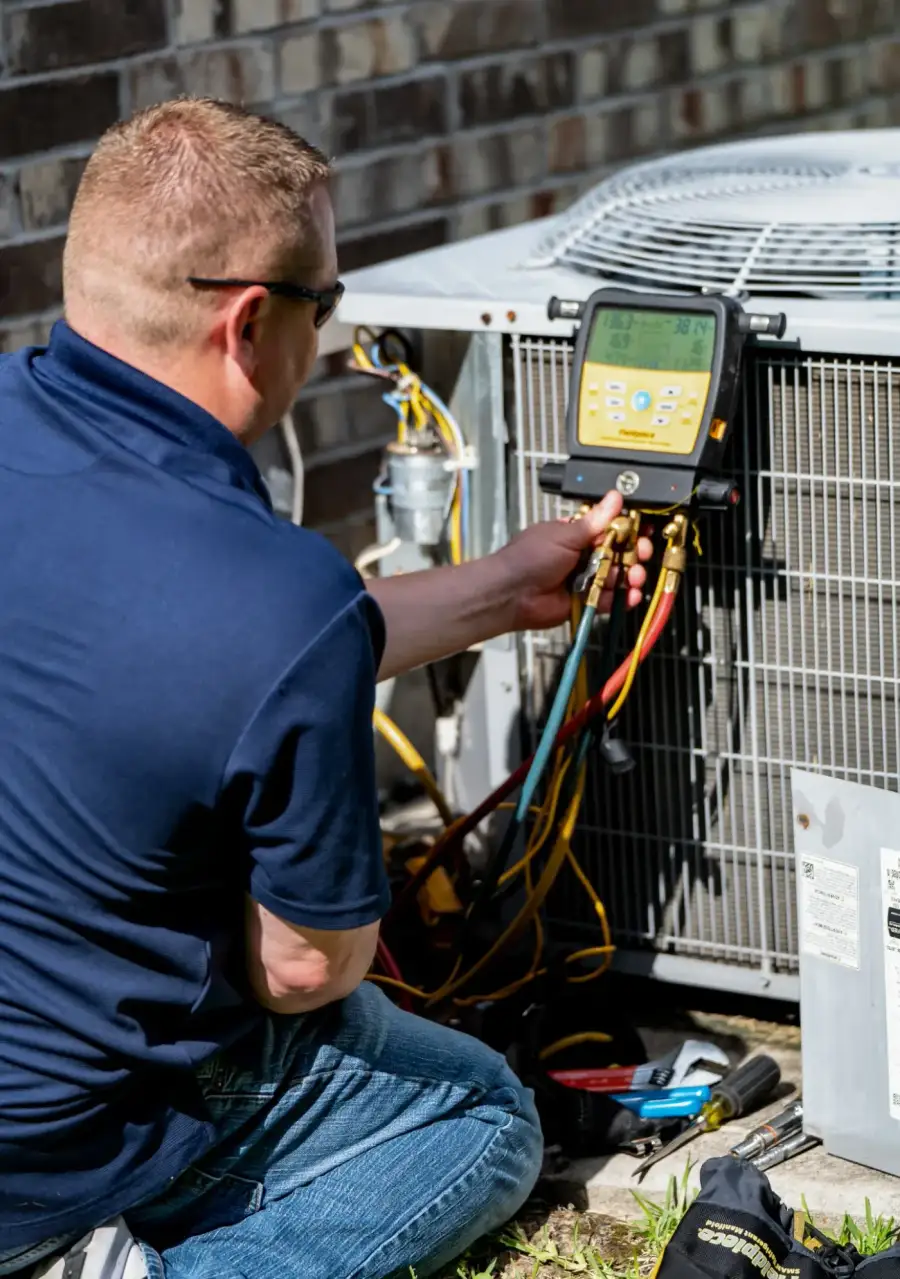
For systems showing warning signs or simply to ensure continued reliable operation, AMW Cooling & Heating offers mid-winter system health checks covering:
- ✓Complete electrical system testing including voltage, amperage, and connection integrity
- ✓Combustion efficiency analysis for gas furnaces ensuring optimal fuel usage and safe operation
- ✓Heat exchanger inspection for cracks or corrosion that risk carbon monoxide leaks
- ✓Refrigerant level verification and leak testing for heat pumps
- ✓Blower motor performance testing and bearing lubrication
- ✓Duct system pressure testing to identify hidden leaks wasting energy
- ✓Thermostat calibration and programming optimization
- ✓Safety control testing to verify proper system shutdowns if problems occur
This comprehensive mid-season service catches problems before they cause failures during the coldest weeks of February and early March when HVAC companies are overwhelmed with emergency calls.
Call (936) 331-1339) to schedule your mid-winter health check and ensure your system finishes the season strong.
Energy-Saving Strategies for Conroe Winters
Maintaining comfort doesn't mean accepting sky-high energy bills. These strategies reduce consumption without sacrificing warmth.
Optimize Temperature Settings
The Department of Energy recommends 68°F when home and awake, 65°F when sleeping, and 62°F when away for extended periods. In Conroe's mild winter climate, these settings provide comfort while minimizing energy waste.
Avoid extreme setbacks: Unlike northern climates with steady cold, North Houston's temperature swings mean your system works in bursts rather than continuously. Setting temperatures too low during away periods means the system must work extremely hard to recover, potentially negating savings and creating comfort issues.
Use programmable features wisely: Program your thermostat to begin warming or cooling 30 minutes before you typically arrive home rather than immediately when you walk in. This gradual approach is more efficient than demanding rapid temperature changes.
Consider zoning for multi-story homes: The Woodlands and Spring have many two-story homes where upstairs bedrooms overheat while downstairs living areas feel cold. Zoned HVAC systems with separate thermostats for each level allow precise control, reducing energy waste from overcooling or overheating spaces.
Maximize Natural Heat Gain
Free solar heat reduces heating demands significantly, especially in homes with south-facing windows.
Strategic window management: Open curtains, blinds, and shades on south-facing windows during sunny winter days. Even weak winter sun provides substantial warmth. Close coverings at night to reduce heat loss through windows—glass is a poor insulator, and nighttime heat escape is significant.
Insulated window treatments: Cellular shades, thermal curtains, and insulated panels reduce heat loss through windows by 25-50%. In Montgomery County homes with many windows or older single-pane glass, quality window coverings pay for themselves in energy savings within one or two winters.
Address Air Leaks Progressively
Air leakage accounts for 25-40% of heating energy waste in typical homes. You don't need to seal everything at once—tackle high-impact areas progressively throughout winter.
Priority sealing locations:
- ✓Attic access points—massive heat escape happens through unsealed or poorly insulated attic entries
- ✓Basement rim joists—the junction between foundation and framing leaks heavily
- ✓Recessed lighting fixtures in insulated ceilings—these are basically holes to your attic
- ✓Plumbing and electrical penetrations through exterior walls
- ✓Window and door weatherstripping—simple, cheap, and highly effective
Dedicate one weekend per month to sealing air leaks in one category. By spring, you'll have addressed most significant leakage sources, with benefits continuing year-round for both heating and cooling efficiency.
Ceiling Fan Direction Matters
Ceiling fans aren't just for summer. Running them in reverse during winter distributes heat more evenly without creating uncomfortable drafts.
Most ceiling fans have a small direction switch on the motor housing. Set fans to run clockwise (looking up at them) on low speed. This pushes warm air that accumulates near ceilings down into living spaces, making rooms feel warmer without raising thermostat settings.
In homes with vaulted ceilings or large open spaces, this strategy can reduce heating costs by 10-15% while improving comfort significantly.
Indoor Air Quality During Winter Months
Sealed homes retain heat efficiently but also trap pollutants, allergens, and excess humidity. Winter air quality requires active management.
Balance Ventilation and Efficiency
Modern energy-efficient homes are tightly sealed, which improves heating efficiency but reduces natural air exchange. Without adequate fresh air, indoor pollutant concentrations build up, causing health issues and discomfort.
Controlled ventilation strategies:
Open windows briefly on mild days (50°F+) to flush stale air and introduce fresh oxygen without losing significant heat. Run bathroom exhaust fans during and for 15-20 minutes after showers to remove moisture. Use kitchen range hoods when cooking to eliminate cooking odors, moisture, and combustion byproducts. Consider a whole-home ventilation system like an ERV (Energy Recovery Ventilator) for consistent fresh air without energy penalties.
Avoid over-ventilation: While fresh air is important, opening windows during very cold weather wastes enormous amounts of energy and stresses your heating system. Strategic, brief ventilation on milder days provides adequate air exchange without significant energy loss.
Monitor and Control Humidity Levels
Conroe's climate remains relatively humid even in winter, but indoor heating dries air significantly. Finding the right balance improves comfort and prevents both mold growth (too humid) and respiratory irritation (too dry).
Ideal winter humidity: Indoor relative humidity should range from 30-50% during winter. Below 30%, air feels uncomfortably dry and increases respiratory infections, static electricity, and damage to wood furniture. Above 50%, condensation risks on cold surfaces promote mold growth and structural damage.
Measuring humidity: Inexpensive hygrometers (humidity meters) provide accurate readings. Place them in main living areas and bedrooms to monitor levels throughout your home.
Adjusting humidity:
- ✓Too dry: Use portable humidifiers in bedrooms and main living areas, or consider whole-home humidification integrated with your HVAC system. Simple measures like air-drying laundry indoors, cooking with uncovered pots, and keeping bathroom doors open during showers also add moisture.
- ✓Too humid: Run bathroom and kitchen exhaust fans consistently. Consider a whole-home dehumidifier if humidity remains elevated despite ventilation. Check for plumbing leaks or foundation moisture intrusion that may be adding excess water vapor.
Keep Carbon Monoxide Detectors Functional
Carbon monoxide is an invisible, odorless, deadly gas produced by gas furnaces, water heaters, and other combustion appliances. Every home with gas heating must have working CO detectors.
Detector placement: Install CO detectors on every level of your home and near sleeping areas. Unlike smoke detectors which belong on ceilings, CO detectors can be wall-mounted at any height since CO mixes evenly with air rather than rising or falling.
Monthly testing: Press the test button monthly to verify detector operation. Replace batteries annually, and replace entire detector units every 5-7 years per manufacturer recommendations.
If the detector sounds: Evacuate immediately and call 911. Do not re-enter the home to investigate or open windows. Carbon monoxide can be lethal within minutes at high concentrations, and even low-level exposure causes serious health effects. Let fire department professionals verify safety before returning.
Never ignore a CO detector alarm thinking it's malfunctioning. These devices save lives, and false alarms are rare with properly functioning units.
Preparing for Winter Weather Events
While major winter storms are rare in Montgomery County, events like the February 2021 freeze demonstrate that they do occur. Simple preparation prevents devastating damage.
Protect Against Pipe Freezing
Frozen pipes don't just stop water—they burst, causing thousands of dollars in water damage when ice melts and flooding begins.
Pre-freeze preparation:
Insulate exposed pipes in attics, crawl spaces, and exterior walls using foam pipe insulation. Disconnect and drain outdoor hoses, then cover outdoor faucets with insulated caps. Seal air leaks around pipes that allow cold air infiltration. Know the location of your main water shutoff valve and verify you can operate it.
During freeze warnings:
Allow faucets to drip slightly—running water doesn't freeze as easily as standing water. Open cabinet doors under sinks to allow warm room air to reach pipes. Keep garage doors closed if water lines run through the garage. Never turn thermostat below 55°F even when away.
If pipes freeze: Turn off the main water supply immediately. Never use open flames to thaw pipes—this causes fires and can burst pipes. Call AMW Cooling & Heating or a plumber for safe thawing assistance.
Have a Heating System Backup Plan
What happens if your heating system fails during the coldest night of the year? Having a backup plan prevents dangerous situations.
Alternative heat sources: If you have a fireplace, keep seasoned firewood stocked and chimney cleaned. Portable electric space heaters provide supplemental heat but draw significant power—avoid overloading circuits. Never use gas stoves, outdoor grills, or generators indoors—these produce deadly carbon monoxide.
Emergency service contacts: Save AMW Cooling & Heating's number (936) 331-1339 in your phone before emergencies happen. Know which HVAC companies offer 24/7 emergency service versus regular business hours only.
Cold weather safety: If heat fails and emergency service is delayed, focus on staying warm safely. Layer clothing, use blankets, and consolidate family members into one room. Close doors to unused areas to concentrate heat. Monitor elderly family members and young children closely—they're most vulnerable to cold exposure.
Why Choose AMW Cooling & Heating for Winter Maintenance
When winter HVAC issues arise, partnering with a trusted local expert makes all the difference.
Veteran-Owned, Community-Focused Service
AMW Cooling & Heating is a veteran-owned business serving Conroe, The Woodlands, Spring, Willis, Montgomery, Magnolia, and surrounding Montgomery County communities. We're not a national franchise—we're your neighbors who live and work in the same communities we serve.
Our military background instills values of integrity, reliability, and mission focus in every service call. We treat your home with respect, communicate honestly about what your system needs, and stand behind our work completely.
Rapid Response When You Need It
Winter heating failures don't wait for business hours. AMW offers same-day service for urgent issues and priority scheduling for maintenance plan members. When you call, you speak with our team directly—no call centers or automated systems delaying your service.
Transparent Pricing and Honest Recommendations
We provide upfront, transparent pricing before beginning work—no hidden fees or surprise charges. Our technicians explain exactly what your system needs, why it matters, and what it costs, then let you make informed decisions without pressure tactics.
If your system can be repaired economically, we repair it. If replacement makes more sense financially, we explain why and provide options at various price points. Our goal is your long-term satisfaction, not maximizing today's invoice.
Comprehensive HVAC and Indoor Air Quality Services
Beyond heating maintenance and repairs, AMW provides complete HVAC services including cooling system service and installation, indoor air quality solutions (filtration, humidification, UV lights), duct cleaning, sealing, and replacement, smart thermostat installation and programming, and whole-home ventilation systems.
This comprehensive capability means one trusted partner handles all your home comfort needs.
Take Action Now: Schedule Your Winter Maintenance Service
Winter is well underway in Conroe, and your heating system will continue working hard through February and into March. Don't wait for problems to develop—proactive maintenance keeps your family comfortable while preventing expensive emergency repairs.
If you haven't scheduled fall maintenance, it's not too late. Mid-winter system health checks catch developing issues before they cause failures during the coldest weather still ahead.
Call AMW Cooling & Heating today at (936) 331-1339 to schedule winter maintenance service. We proudly serve Conroe, The Woodlands, Spring, Magnolia, Willis, Montgomery, and all surrounding Montgomery County communities.
Don't forget to ask about our veteran discounts when you call. Your family's comfort and safety are our priority, and we're here to ensure your heating system performs reliably throughout winter and beyond.
Winter Maintenance FAQ for Montgomery County Homeowners
Q: How often should I change my air filter during winter? A: Check filters monthly and replace when they appear dirty or restrict light when held up to a bright source. Most 1-inch filters need monthly replacement during heavy heating use, while higher-quality pleated or 4-inch media filters may last 2-3 months.
Q: Is it normal for my heat pump to run constantly during cold weather? A: Heat pumps work harder during cold snaps and run longer than during mild weather. However, they should eventually reach set temperature even if it takes longer. If your heat pump runs constantly but never satisfies the thermostat, call for service—you likely have refrigerant issues or backup heat problems.
Q: What temperature should I set my thermostat when I'm away for several days? A: Never set below 55°F to prevent pipe freezing risks. For typical winter trips, 60-62°F balances energy savings with quick recovery when you return and protection against freeze damage during unexpected cold snaps.
Q: Why does my furnace make a burning smell when it first turns on? A: A slight burning smell during the first few uses each season is normal—it's dust burning off heat exchangers. This should dissipate within 30 minutes. Persistent burning smells, especially electrical or plastic odors, require immediate professional attention.
Q: Can I close vents in unused rooms to save energy? A: No. Modern HVAC systems are balanced for specific airflow. Closing vents creates pressure imbalances that reduce efficiency, can damage equipment, and often forces more air into other rooms than needed. If rooms are too warm or cold, the solution is system balancing or zoning, not closing vents.
Q: How do I know if my heating system needs professional service? A: Schedule service if you notice unusual sounds, persistent odors, declining performance, short cycling, unusually high energy bills, uneven heating, or if your system is 10+ years old without recent professional maintenance.
AMW Cooling & Heating LLC Serving Conroe, The Woodlands, Spring, Magnolia, Willis & Montgomery County Licensed • Insured • Veteran-Owned (936) 331-1339
Keep your family warm and comfortable all winter long with expert maintenance from Montgomery County's trusted HVAC professionals. Schedule your winter service today and experience the AMW difference.